
In New York City's dynamic urban environment, construction accidents involving rideshare vehicles create complex legal issues. A construction accident attorney NYC is vital for navigating these complexities, possessing expertise in local laws and personal injury litigation. They investigate incidents, establish liability through driver records, route history, and technology logs, and fight for victims' rights to fair compensation. These attorneys handle cases of property damage, injuries, or fatalities in high-risk construction zones, coordinating medical care, communicating with insurance companies, and advocating for their clients' best interests.
Rideshare safety litigation is a growing legal landscape, especially with the prevalence of ride-hailing services in today’s world. This comprehensive guide explores the intricacies of rideshare accidents, focusing on New York City (NYC), where construction accident attorneys play a pivotal role. We delve into common causes, from driver distraction to vehicle malfunctions, and their legal implications. Additionally, we provide insights for passengers, navigating the legal process with resources and rights aimed at ensuring safety and justice.
- Understanding Rideshare Safety Litigation: A Comprehensive Guide
- The Role of Construction Accident Attorneys in NYC
- Common Causes of Rideshare Accidents and Legal Implications
- Navigating the Legal Process: Rights and Resources for Passengers
Understanding Rideshare Safety Litigation: A Comprehensive Guide
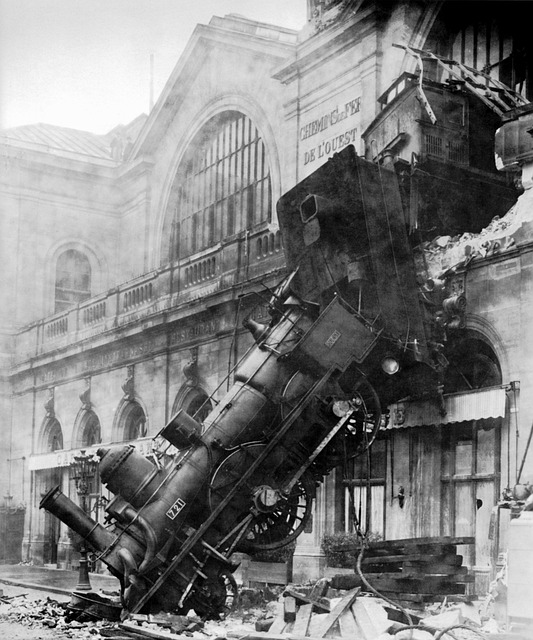
Rideshare safety litigation is a complex legal landscape that involves holding ride-sharing companies accountable for the actions of their drivers. When a construction accident occurs due to a rideshare driver’s negligence, it raises significant legal questions and concerns. A construction accident attorney NYC can provide crucial guidance in navigating these waters.
These cases often require a deep understanding of local laws and regulations, as well as an expertise in personal injury litigation. A skilled construction accident attorney will thoroughly investigate the incident, gathering evidence to demonstrate liability on the part of the ride-sharing company. This may include examining driver records, route history, and any available technology logs to reconstruct the events leading up to the accident. The ultimate goal is to ensure justice for victims and to foster safer practices within the rideshare industry.
The Role of Construction Accident Attorneys in NYC

In New York City, where bustling streets and towering skyscrapers create a unique urban landscape, ensuring safety is paramount, especially in the context of rideshare services. Here, construction accident attorneys play a pivotal role in navigating the complex legal arena surrounding ride-hailing accidents. With NYC’s dynamic nature, these legal professionals are well-equipped to handle the unique challenges that arise from construction zones and busy thoroughfares.
Construction sites often present hazardous conditions, and when combined with the fast-paced environment of rideshare operations, the potential for accidents increases. A construction accident attorney in NYC is specialized in dealing with cases involving property damage, personal injuries, or even fatal incidents resulting from motor vehicle collisions within these high-risk areas. Their expertise lies in understanding local laws, identifying liable parties, and advocating for clients’ rights to receive fair compensation.
Common Causes of Rideshare Accidents and Legal Implications

Rideshare accidents, like any other motor vehicle collision, can result from a variety of factors. Common causes include driver distraction due to mobile device use, speeding, and failure to yield right-of-way. Additionally, construction zones pose unique hazards, with workers and equipment creating unpredictable obstacles on the road. These incidents often lead to severe injuries and legal implications for rideshare companies.
In cases of accidents, a construction accident attorney NYC can play a pivotal role in navigating complex legal landscapes. They help victims understand their rights and pursue compensation for medical expenses, pain and suffering, and lost wages. Liability may rest with the rideshare company, the driver, or both, depending on the specifics of the incident. Legal strategies often involve reviewing safety protocols, driver training records, and investigating any negligence in vehicle maintenance or route planning.
Navigating the Legal Process: Rights and Resources for Passengers

When involved in a rideshare-related incident, understanding one’s rights and navigating the legal process can be daunting. Passengers must quickly familiarize themselves with their protections and resources, especially in complex cases like construction accidents involving ride-sharing vehicles. A crucial step is to document all details of the event, including witness information and any available evidence, which can significantly aid in the subsequent legal proceedings.
In New York City, victims of such accidents have specific rights and access to dedicated resources. Engaging with a skilled construction accident attorney NYC is an essential move to ensure one’s interests are protected. These professionals guide passengers through the intricate legal landscape, explaining their rights and obligations while advocating for fair compensation. They can help coordinate medical care, communicate with insurance companies, and build a robust case, ultimately aiming to achieve the best possible outcome for their clients.
Rideshare safety litigation is a complex landscape that requires comprehensive understanding and legal expertise. As discussed, navigating this process involves recognizing common causes of accidents, knowing your rights as a passenger, and potentially involving a skilled construction accident attorney in NYC for expert guidance. By staying informed and empowered, individuals can ensure they receive the justice and compensation they deserve in the event of a rideshare-related incident. Remember, when safety is at stake, proactive legal measures can make all the difference.